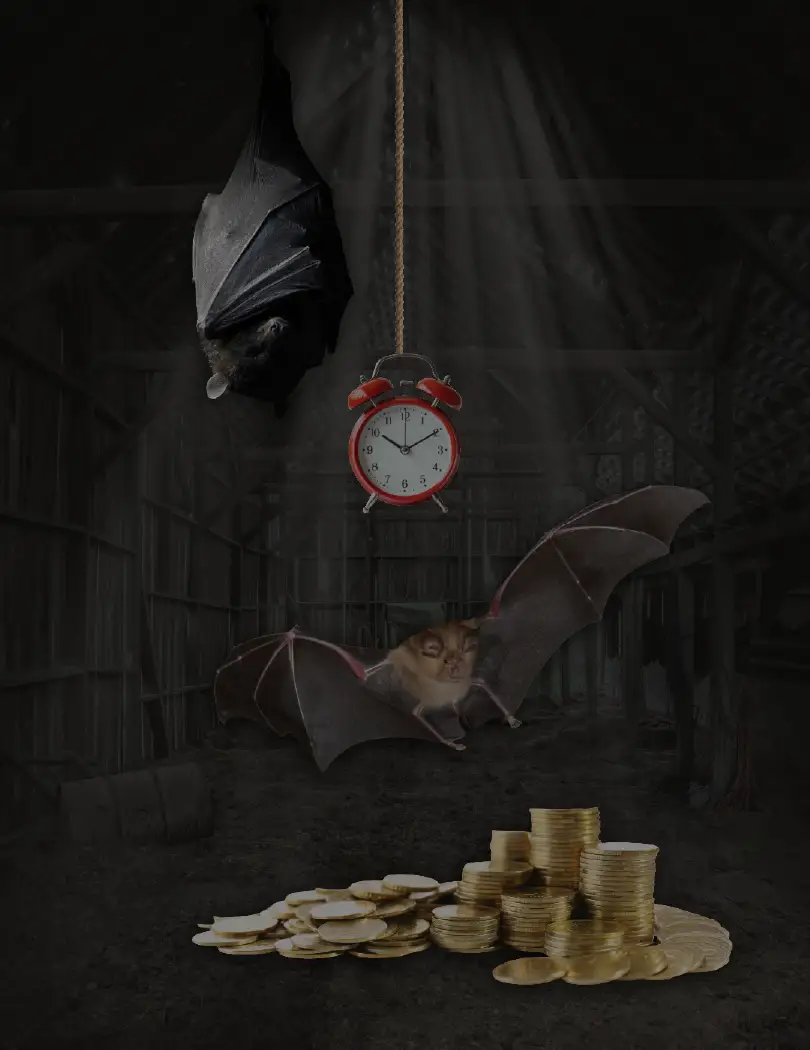

Attention is nice. Intent is better.

Congratulations! Your latest post has 642 likes. Three people have shared it. Someone has left seventeen fire emojis. Your mum has commented that you are doing brilliantly.

Wonderful. Can you pay your electricity bill with any of that? Thought not.

Social media engagement is lovely. But likes, comments and followers aren't the same as customers. Organic marketing is brilliant for getting your business discovered. Being noticed is only the beginning.

Attention is nice. Intent is better.

Not all engagement means the same thing. Someone liking your post might simply enjoy the photograph. Someone saving it may find your advice useful. Someone visiting your website, exploring a product or signing up for more information is showing a different level of interest.

That is why measuring social media success purely through likes can be misleading. A business with 800 genuinely interested followers could generate more enquiries than one with 40,000 people who mostly turned up for a dog falling off a sofa. Lovely dog, though.

The useful question is what people do after engaging with your content.

How to turn engagement into sales

First, give each piece of content a purpose. Are you trying to answer a customer question, build trust or encourage someone to explore a product? Different goals need different content and different next steps.

1. Attract the right people. Create useful content around problems your potential customers actually have. This is the foundation of inbound marketing: helping people find you through something they already care about.

2. Offer a useful next step. Link to a relevant guide, product demonstration, newsletter, community or page on your website. Not every interaction needs an enormous BUY NOW button.

3. Nurture the relationship. Someone who discovers you today might not be ready to buy until next month. Answer questions, share useful information and make it easy to return.

4. Make buying straightforward. When someone is ready, show them a clear offer, helpful product information and a simple route to purchasing. A twelve-page enquiry form is not a personality trait.

Measure what happens after the like

Imagine a post gets 500 likes. Excellent. Now look further: how many people visited the linked page? Signed up? Requested information? Eventually became customers?

Website analytics, tagged links and conversion tracking can help you see what happens after someone clicks. You do not need to obsess over every metric. Focus on the actions that show people moving from interested to genuinely interested.

This matters for organic marketing because a smaller audience that takes meaningful action can be more valuable than a huge audience that never does.

Let automation handle the next step

The difficult bit is not always creating the first spark of attention. It is knowing what to do next.

Someone downloads a guide. Someone joins your community. Someone returns to explore your product. Each interaction offers clues about what they might need.

Good marketing automation helps connect those interactions, nurture relationships and suggest relevant next steps without you personally chasing everyone around the internet.

That is the thinking behind Frank Rabbit: an all-in-one automated organic marketing platform connecting strategy, content, audience building, nurturing and conversion. Get discovered out there. Build relationships and commercial opportunities in here.

Because likes are lovely. But your pension provider remains stubbornly committed to actual money.