
Your fifteen minutes of fame have entered the group chat.

Monday morning. You post something. It takes off. The notifications start breeding. People share it. Strangers call you a genius. Your mum forwards it to the family WhatsApp with seventeen clapping emojis.

Tuesday, you're refreshing the numbers like you're watching the national lottery draw.

Wednesday, you start mentally pricing a yacht.

Thursday, a man falls off a paddleboard and the entire internet forgets you exist.

Welcome to viral marketing: spectacular when it works, unpredictable by nature and not necessarily the same thing as sustainable organic growth.

A million views won't pay the electricity bill

Going viral means a piece of content spreads rapidly beyond its usual audience. That can introduce your business to people who would never otherwise have found it. Lovely stuff.

But views are a measure of attention, not a receipt. Someone might watch your video, laugh, send it to a friend and carry on with their day. They may have no interest whatsoever in what you sell. They might not even know you sell anything.

Organic marketing has a different, longer-term job: help relevant people discover you, give them reasons to trust you and make it easy to take the next step when they're ready.

Viral reach can help with discovery. It just can't do all the other jobs by itself. The internet is not your sales department. It barely remembers your name.
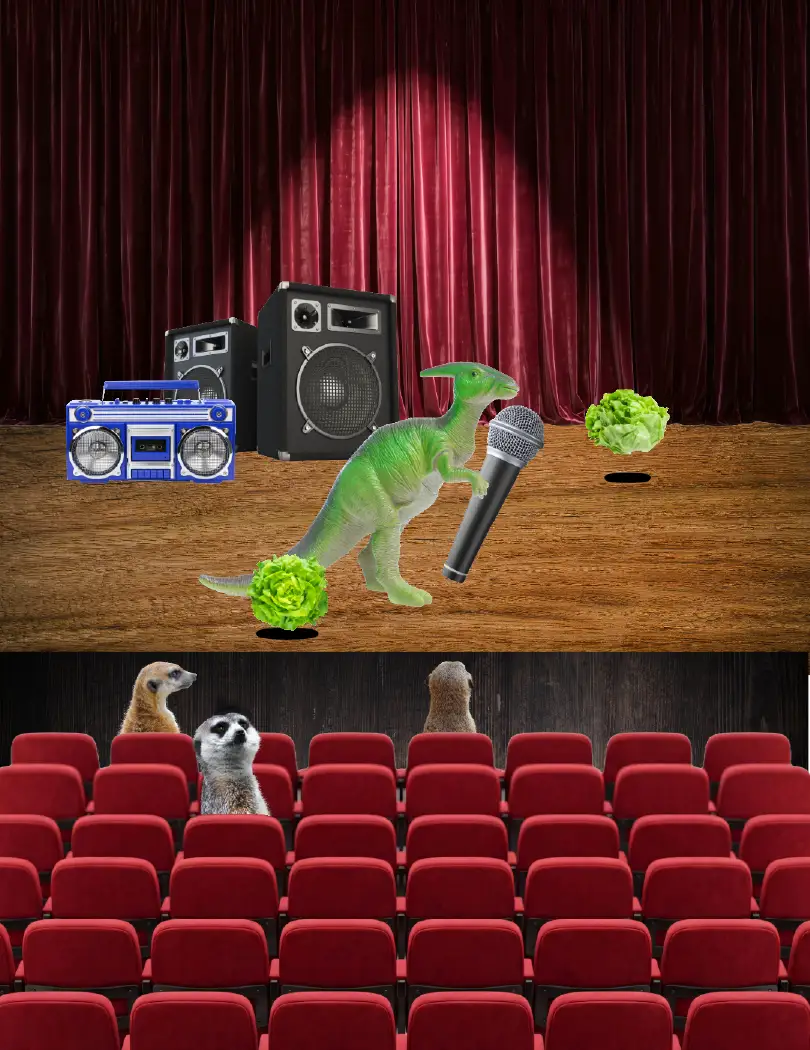

Were they your people, or just passing through?

Imagine you sell beautifully made notebooks. A video of your dog stealing one gets a huge number of views. Excellent news for the dog. Possibly less transformative for notebook sales.

Now imagine a smaller post explaining how to organise creative ideas attracts designers, writers and people looking for a better notebook. Fewer views, perhaps, but a much better match.

Before chasing reach, ask three questions: Who is this content for? What problem or interest does it address? And what would a useful next step look like for that person?

That is the difference between collecting spectators and building an audience. One fills the room. The other gives people a reason to stay after the free biscuits run out.

Give the crowd somewhere sensible to go

If your content does attract attention, don't leave people standing in the metaphorical car park. Make the next step clear, relevant and easy.

A post about common marketing mistakes could link to a useful guide. A practical how-to video could point to a detailed article. A product demonstration could lead to a page answering the questions someone might have before buying.

You don't need to shout BUY NOW at everyone who liked a picture. Offer something that naturally follows from what interested them in the first place.

And if you invite people to subscribe or join your community, explain what they'll receive and respect their choice. A useful relationship starts with permission, not a surprise email entitled 'JUST CHECKING IN AGAIN'.

Four things to do before Thursday arrives

1. Make your profile and landing page make sense. If someone discovers you through one post, can they understand who you help, what you do and where to go next in a few seconds?

2. Turn the popular idea into something useful. Answer the questions in the comments, write a follow-up article or make a practical resource that goes deeper. Give interested people a reason to return.

3. Invite a relationship, not an ambush. Offer a genuinely useful newsletter, guide or community, and let people opt in. Then follow up with material that helps them, not eleven emails asking if they've seen your previous eleven emails.

4. Measure what happened after the view. Look at relevant website visits, useful sign-ups, enquiries and sales alongside reach. If lots of people arrived but nobody took the next step, work out why.

None of this guarantees a sale. It does mean a good moment has somewhere productive to go, which is more than can be said for most internet dance trends.

Build something that survives a Thursday

A viral post usually depends on what people happen to share right now. Useful, search-friendly content can be discovered long after you publish it.

Think about the questions your potential customers regularly ask. Create clear articles that answer them. Use natural headings, descriptive titles and internal links to related guides or relevant product pages. Keep the information accurate as things change.

A single helpful article won't magically summon Google to your doorstep with a bouquet. But a connected collection of genuinely useful content gives search engines and people more opportunities to understand what you know.

That's sustainable organic marketing: not one enormous burst of noise, but useful work that keeps earning its place over time.

Applause is nice. Return visits are nicer.

Don't throw away reach and engagement figures. They're useful clues about what captured attention. Just don't mistake them for the whole customer journey.

Track what suits your business: qualified visits, repeat readers, newsletter sign-ups, enquiries, conversions or purchases. Compare them over time, and pay attention to which topics bring in the people you actually serve.

If your most-viewed post brings the wrong audience, that's useful information too. Perhaps the joke worked but the message didn't. Perhaps the next step wasn't obvious. Perhaps everyone just really likes the dog.

Make the next piece of content a little more relevant, the journey a little clearer and the relationship a little stronger. That is progress even if nobody calls you a viral sensation at breakfast.

Don't build your business on fifteen minutes

The problem isn't viral content. If the internet unexpectedly hands you a megaphone, by all means use it. Just have a plan for what happens when it takes the megaphone back.

That's the thinking behind Frank Rabbit: an all-in-one automated organic marketing platform connecting strategy, content creation, audience building, nurturing, conversion and monetisation. Get discovered out there, then cultivate relationships and create opportunities to sell on-platform.

The aim is to turn scattered moments of attention into something connected and useful. Not to spend your entire working life trying to convince an algorithm that you're still interesting.

Because Monday's viral masterpiece might be Thursday's forgotten post. But a useful relationship can last a good deal longer.

Anyway, your mum still thinks you're famous. Let's not ruin it for her.